
All types of printing, all personalization options
Explore catalog
Pad Printing
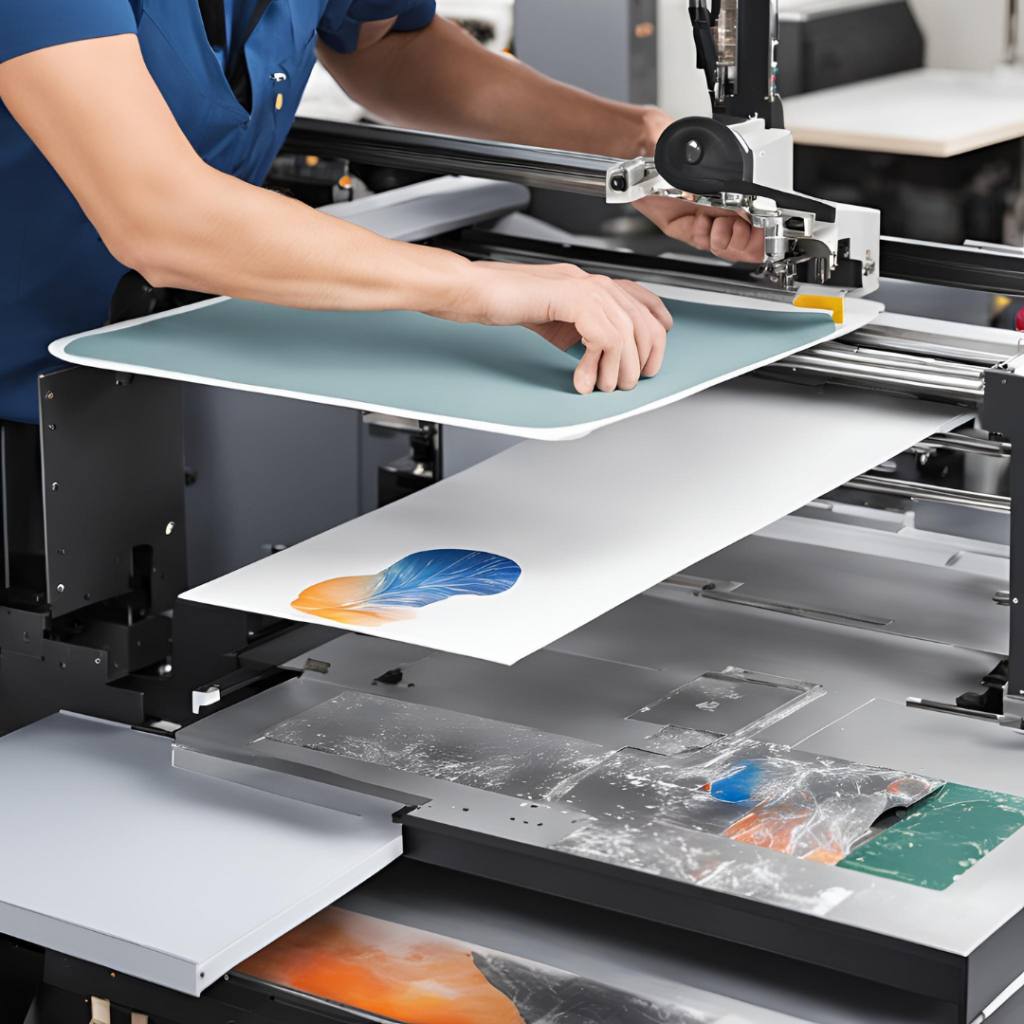
Pad printing is a technique where a logo is applied to an object using a silicone pad. This method allows for a sharp finish and precise color registration. Pad printing is the most commonly used printing technique: the logo is engraved on a metal plate and then transferred to the item with a silicone pad, since the ink does not stick to the silicone. As with screen printing, each color must be printed separately.
Examples of products ideal for pad printing
With pad printing technique, it is possible to print almost any shape in the world. Thats why it is the most used printing technique in our business.
Pens
Desk
clocks
Business card holders
USB drives
Ceramic
mugs
Memo
clips
Keychains
Screen Printing
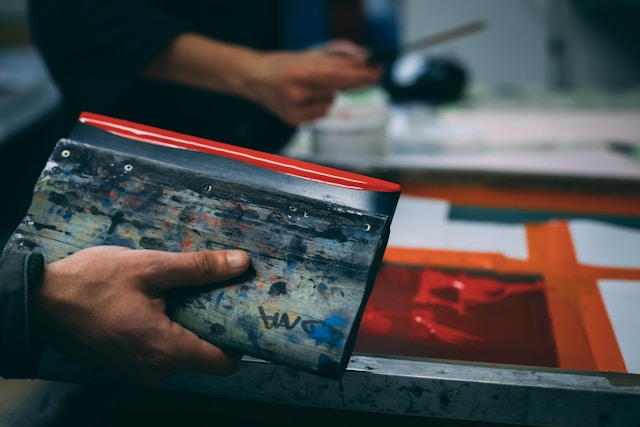
Screen printing uses a mesh screen with tiny openings to transfer ink onto an object. A stencil blocks parts of the logo shape. Ink is applied to the screen and pushed through onto the item. Each color is printed separately, so multiple screens are needed for multi-color designs. After printing, items are passed through a drying tunnel to cure the ink.
Ideal products for screen printing
If the printing surface is flat, all items can be printed.
Bags
Shirts
Wine boxes
inflatable boats
Hats
Umbrellas
Digital Printing
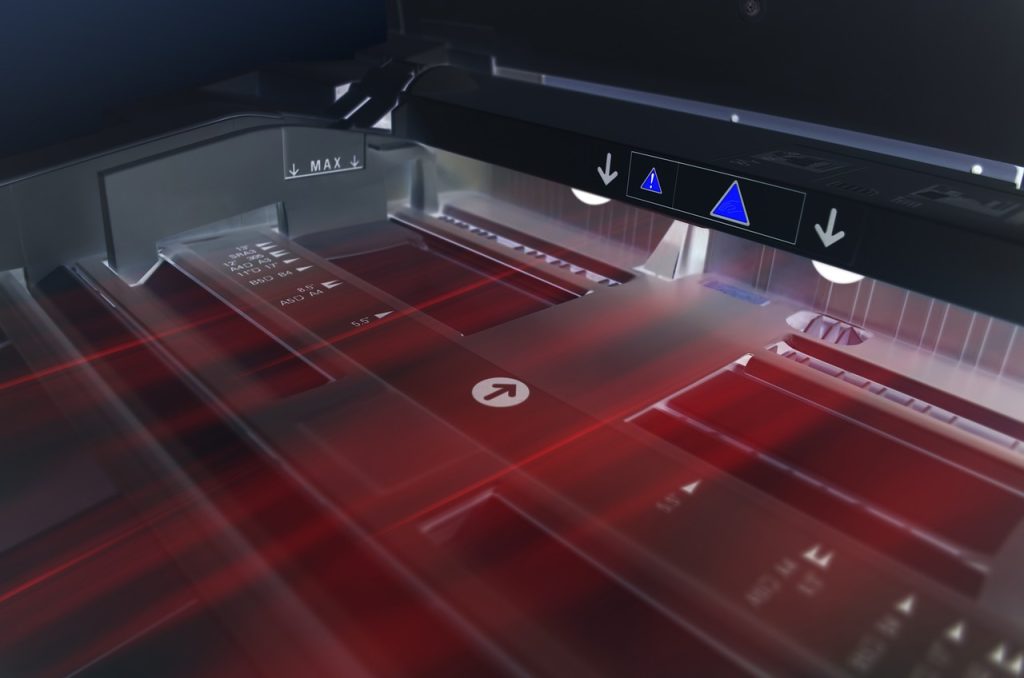
Digital printing is done by placing the product under a digital printer. A UV digital printer prints directly onto the item by spraying tiny dots that combine to create the image or color. Digital printing is mainly used on flat surfaces, as the distance from the print head to the item is fixed. The printer can print in CMYK mode as well as in white.
Ideal products for digital printing
If the printing area is flat and has a level surface, all items can be printed.
Pens
Skating games
Notebooks
Covers
Gadgets
And many more
Screen Transfer
With screen transfer, the logo is first printed on special silicone-based paper instead of directly on the item. Colors are printed one by one on a white base, passing through a drying tunnel after each layer. Once all colors are printed, an adhesive layer in the shape of the logo is applied, followed by adhesive powder. Using a heat press, the transfer is applied to the item. Heat melts the glue, and pressure ensures strong adhesion. The paper is then removed, leaving the logo on the product.
Ideal products for screen transfer
Shirts
Hats
Umbrellas
And more
Laser Engraving
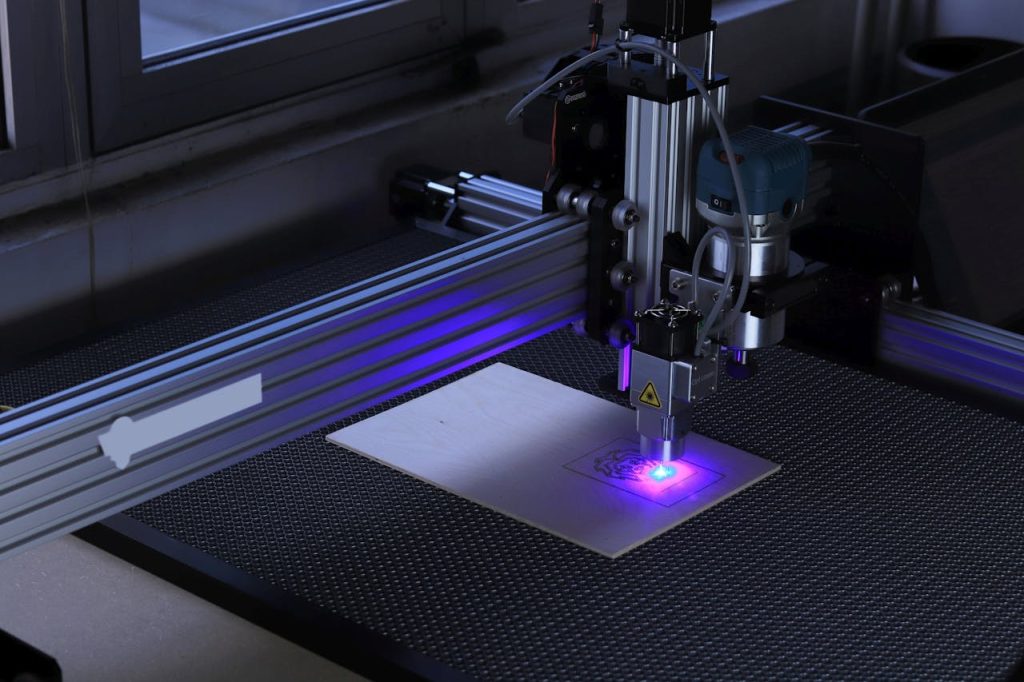
Laser engraving can be applied to organic materials like wood, glass, and rubber, as well as coated or uncoated metals. The result is precise, clean, durable, and high-end. The digital logo is sent to the laser machine. Using a fiber laser (hard laser, mainly for metals or rigid items) or CO2 laser (soft laser, mainly for organic materials), the surface layer is burned, leaving a visible logo.
Ideal products for laser engraving
Business card holders
Keychains
Wine boxes
Desk clocks
And more
Digital Transfer
Digital transfer is one of the most popular methods for full-color logos and designs with photographic quality. First, the design is digitally printed (CMYK) on a large roll of paper. A white layer is printed over areas with color, and adhesive is applied to ensure adhesion to the item. The final step is applying the logo or design to the product using heat, pressure, and time.
Examples of products ideal for digital transfer
All items can be printed as long as the printing surface is flat.
Bags
Shirts
Caps
Umbrellas
Laptop cases
And more
Embroidery
Embroidery is a technique that uses multiple stitches to create a logo or image. It is very popular for caps, textiles, and bags. A special embroidery file is created with all machine settings and stitch details. The item is placed under a large embroidery machine, which can contain up to 12 needles (allowing up to 15 different thread colors in a single run).
Ideal products for digital stickers:
Hats and caps
Backpacks
Laptop bags
Rash guards
T-shirts
And more
Digital Stickers
A digital sticker is printed digitally and then applied to a product. This technique is often used for items where no other printing method is possible. The full-color sticker is printed and cut with a plotter, then peeled and applied to the products.
Examples of items ideal for using digital stickers
Keychains
Pens
Folders
Wine boxes
Kitchen
appliances
And more
Woven Labels
Woven labels can be applied to collars (the standard location), sleeve edges, bottom hems, or anywhere that allows sewing.
Woven Patches
Woven patches are made from polyester threads and can display fine details on the logo that cannot be achieved with embroidery.
Sewing
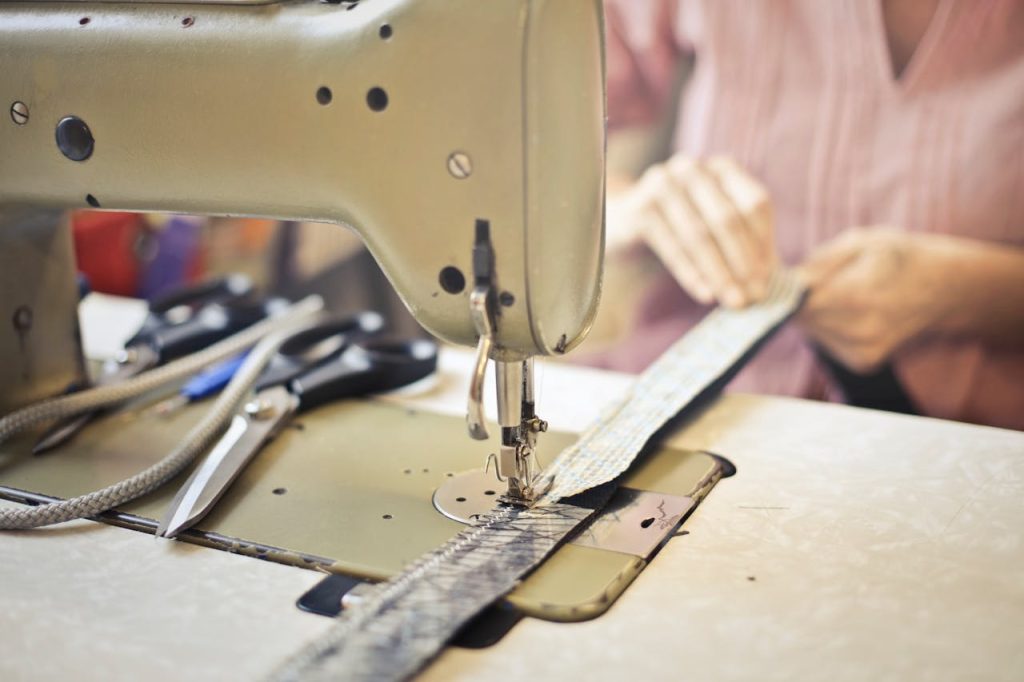
In coordination with the client, we design, cut, and completely sew custom-made products. We produce various types of workwear for all industries.