
An office job generally means easier organization, both because of structuring the time you work and because of a space that is fully adapted to the tasks you perform. However, if we work from home, organization changes from the ground up. It's necessary to separate the personal from the professional, repurposing a space used for rest and leisure into one that promotes productivity, and organizing our time in a way that works for us to avoid distractions and achieve specific goals. The same goes for studying for exams – libraries are excellent places for collaborative study because the environment is conducive to work, but as soon as we're on our own, a higher level of discipline is required for effective results. It's well-known that preparation and organization are half the battle, and if you're looking for effective and sustainable organizational techniques, here are some of them.
Finding Your Own Routine
A daily routine might sound boring and monotonous, but it's proven to reduce anxiety and boost productivity. A routine doesn't have to include a strict schedule for every minute or ambitious goals like morning yoga, running, visiting the market, and meditating every day, but it's a good idea to pay attention to rituals that positively affect our mood and help us meet our obligations and goals. Also, a morning routine is an excellent way to build a habit that makes it easier to transition from a state of rest to a state of work in a way that suits you. After that, it's advisable to create a work routine that includes scheduled breaks and a set end time for your workday, so you can maintain a boundary between your personal time and your productive time.
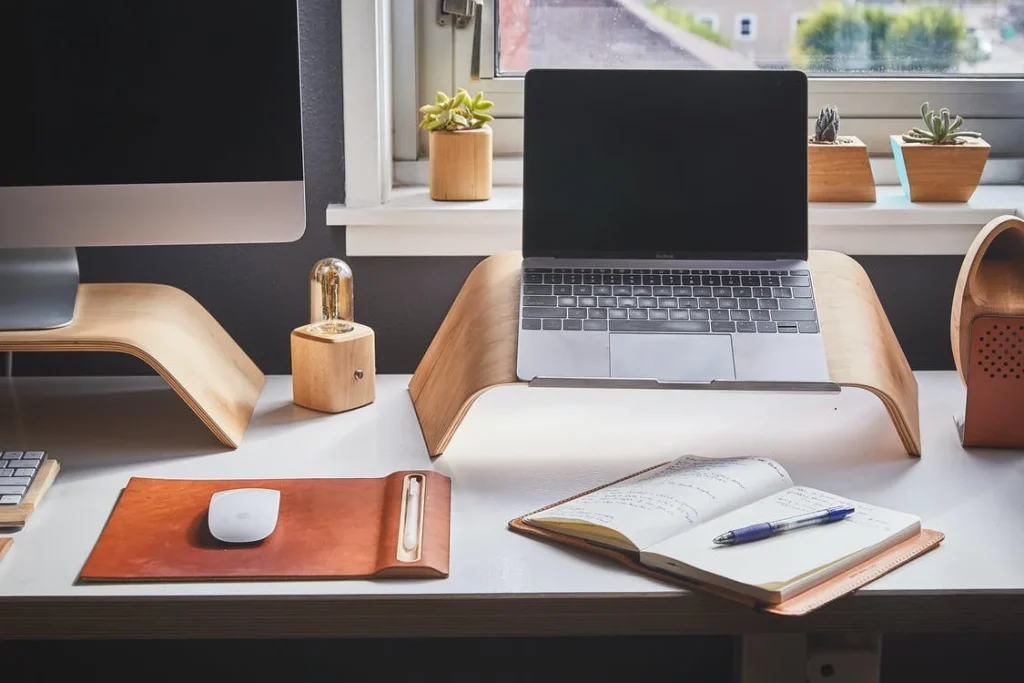
Creating the most suitable environment for work
The environment we create also plays a major role in productivity. A pleasant atmosphere and having everything you need within reach mean fewer distractions while working and completing tasks more quickly and successfully. That's why it's important to create optimal conditions in your workspace before you start working or studying. Even if we don't have a separate space dedicated exclusively to work, we can change its purpose with small details, thereby creating the impression of a different space. In addition, it's important to eliminate as many distractions as possible, such as social media, clutter, or other obligations.

To-do list of tasks
With more organized tasks, it's easier to complete them. We remember things more easily visually, and checking off a completed task creates an added sense of satisfaction and accomplishment. It's advisable to have a monthly list of general goals and a weekly list with specific tasks. Breaking down large tasks into steps makes them easier to complete and prevents procrastination.
Planning your time after work
When we look forward to an activity that follows our responsibilities, we have more motivation to finish them and complete them successfully. That's why a small productivity trick is to "reward" ourselves with activities we enjoy. This can be something small, like a favorite meal, a walk in nature, or watching a favorite show.