
If you have ever organized a conference, tournament, meetup, trade show appearance or internal corporate training, you know one thing: the impression is built through details. And often what matters most is not what is written on the stage, but what people hold in their hands, wear, and take home.
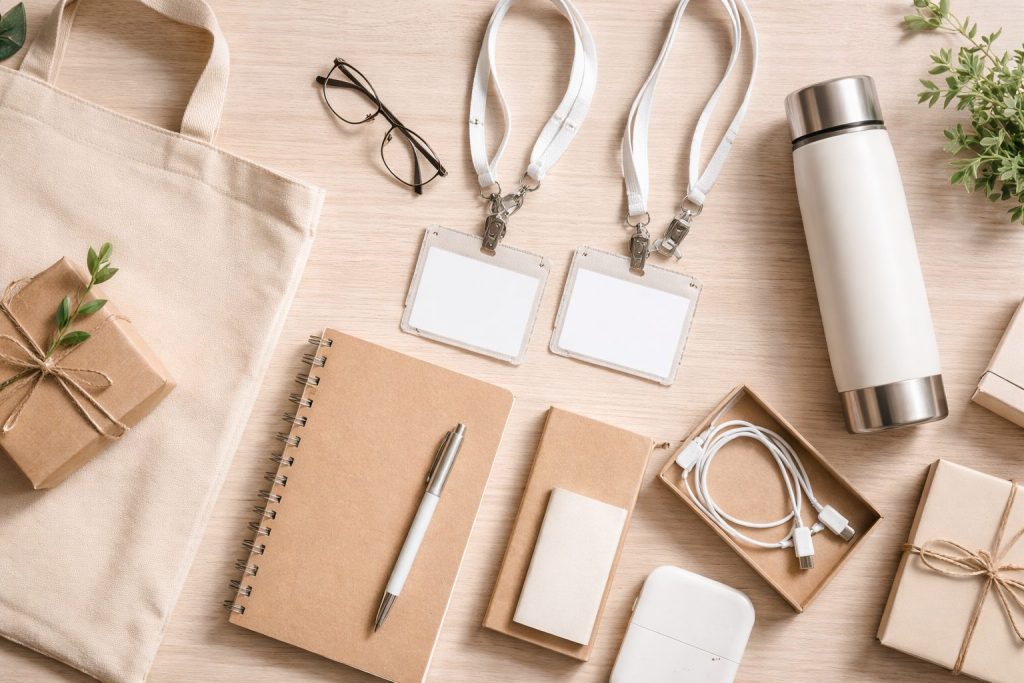
This is where event merch comes in — not as “swag”, but as a tool for:
- a stronger participant experience
- a recognizable and consistent team/crew appearance
- tangible value for sponsors
- content for social media (because people love photographing things that look good)
- and most importantly: brand recall after the event
At Blue Frame we treat merch as part of the production — just like visuals, signage and scenography. If it’s done well, it gets worn, used, and continues telling the story even after the event ends.
Why event merch increases sponsor value?
A sponsor doesn’t just buy a logo on a banner. A sponsor buys touchpoints: moments when a participant sees, uses and experiences the brand. Quality merch extends those touchpoints beyond the venue — because promotional products often stay in use for months, not days.
But for it to truly work, merch must be:
- functional (so people actually use it)
- aesthetically “on brand” (so it looks professional)
- smartly integrated into the participant journey (so it appears at the right moment)
That’s why we go through 7 touchpoints where event merch makes the biggest impact — and where it most easily justifies the budget.
1) Merch at accreditation: A first impression that lasts
Accreditation is the first “wow or meh” moment.
What makes the difference:
- a quality lanyard + badge (material, print, finishing)
- a badge that looks “premium”, not improvised
- an accessory with an immediate function (e.g. card holder, NFC/QR, mini map)
Pro tip: If you have sponsors, accreditation is the perfect space for subtle integration (for example “powered by” on the back of the badge or on the lanyard) — it looks professional without being aggressive.
2) Crew look: Event merch that simplifies organizer logistics
When the team looks consistent, participants find their way around faster and the event feels more organized.
Event merch for crew that actually works:
- softshell jackets (winter, outdoor events, field work)
- hoodies / zip hoodies (indoor or outdoor, unisex)
- beanies (winter season, volunteering)
- polo shirts (conferences, trade shows, more formal events)
Why it makes sense for sponsors: the crew is constantly moving, appearing in photos and interacting. These are “living brand touchpoints”.
3) Welcome / swag bag: Event merch that leaves the venue
A swag bag only makes sense if it doesn’t become drawer material.
A winning combination:
- a tote or backpack that looks “daily” (not overly promotional)
- a bottle (ideally sustainable, RPET / stainless steel)
- a notebook + pen (for content, networking and follow-ups)
- a tech accessory (cable, adapter, charger) — especially for IT, conferences and corporate events
If the bag is good, it becomes a moving advertisement even after the event. It’s one of the few items in an event merch budget that naturally extends the life of a campaign.
4) Stage + speaker touchpoint: Event merch as proof of quality
Speakers and panelists represent your reputation. If you give them a quality package, you send the message: “details matter here”.
What works in practice:
- a minimalist gift box (no kitsch)
- a premium notebook + metal pen (engraving)
- a tech accessory they actually use (cable/charger)
- measured personalization (e.g. initials or a subtle logo)
This is the type of event merch speakers gladly post on LinkedIn because it looks — professional.
5) VIP package: Event merch that justifies “premium”
VIP is not “more of the same”, but a different level.
VIP event merch can include:
- a higher quality bag/backpack (laptop ready)
- a premium tech set (charger, hub, cable organizer)
- a premium bottle / thermal mug
- packaging that looks enterprise-ready (box + insert + message card)
Sponsors like participating here because VIP packages have high perceived value, and the brand becomes part of the “best part” of the experience.
6) Networking moment: Merch that encourages interaction
Not everything has to be a “gift”. Sometimes event merch can be a tool for connection.
Examples:
- a notebook with mini networking questions printed inside
- theme badges (e.g. “ask me about…”)
- stickers / patches for bags (limited edition, collectible vibe)
This works for sports clubs (fan/community engagement), business events (B2B networking) and associations (volunteers and belonging).
7) Post-event aftercare: Merch that brings people back (and generates leads)
The biggest mistake: everything ends with the final applause.
The smartest event merch touchpoint is the one activated after the event:
- a “thank you” mini package for key partners/sponsors
- a follow-up gift for speakers
- internally: a package for the team/volunteers as appreciation
- an award package (e.g. for sports events or hackathons)
This is not a cost — it’s relationship marketing in physical form.
Personalization that doesn’t look cheap
If you want event merch to elevate the experience, personalization must be clean and consistent.
The most common premium-looking options:
- engraving (metal, tech items, pens, bottles, plates)
- embroidery (caps, beanies, jackets, hoodies)
- screen print / transfer (textiles, bags) — when placed well and not “shouting”
The key is balance:
- one mark in the right place > three large logos
- quality material > a “wow” color without purpose
- packaging that holds the story (insert, card, clean layout)
How we handle event merch at Blue Frame (all-in-one, without chaos)
The most common client problem is not “what to order”, but:
- how to coordinate everything (colors, techniques, deadlines, quantities)
- how to make merch look “enterprise”
- how to ensure delivery arrives on time (and at the right address)
- how to integrate sponsors without visual chaos
That’s why we are all-in-one: from concept and selection, through design and finishing, to personalization, packaging and delivery.
When event merch is well designed, you get:
- a consistent impression and professionalism
- higher perceived value (both for sponsors and organizers)
- content for communication (because merch “looks good”)
- and longer-term brand visibility
Mini checklist before starting with event merch
If you’re an organizer or brand manager, ask yourself before deciding:
- Will this be used after the event?
- Does it look neutral enough for people to actually wear/use?
- Is the personalization clean and consistent?
- Is the packaging enterprise-ready?
- Is the logistics realistic (deadlines, addresses, quantities)?
- Does each sponsor have a meaningful touchpoint?
If the answer is “yes” to most of these — your event merch is on the right track.
Conclusion: event merch is part of production, not just a “freebie”
The best event merch does three things at the same time:
- helps the event look organized
- gives participants something they want to keep
- gives sponsors visibility that lasts
If you want event merch that elevates the experience (and sponsor value) without kitsch — that’s exactly what we do every day at Blue Frame.
Follow us on social media for new ideas, examples and inspiration from the world of merch — because good merch isn’t sold, it’s used.